
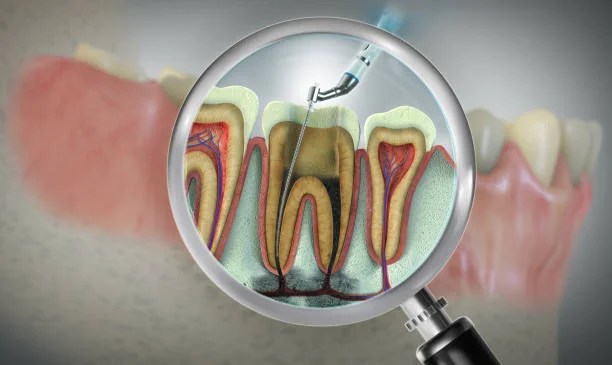
Root Canal Treatment in Bhayandar
Inside every tooth is a soft tissue called the pulp, which contains nerves and blood vessels. When deep tooth decay, cracks, trauma, or repeated dental procedures affect the pulp, it can become inflamed or infected. Without appropriate treatment, the infection may spread to the tissues around the tooth.Best Root Canal Treatment in Bhayandar, Mumbai
Common signs of a tooth infection include persistent toothache, sensitivity to hot or cold, pain while chewing, swelling around the gums, a pimple or discharge near the tooth, and tooth discoloration. A dental examination is important when these symptoms occur.
Root canal treatment removes the infected or damaged pulp, cleans and disinfects the root canals, and seals the tooth to help prevent further infection and preserve the natural tooth.
What Is Root Canal Treatment?
Root canal treatment is a dental procedure used to treat infection or inflammation inside a tooth. The treatment aims to remove the affected pulp while preserving the remaining tooth structure.
Modern root canal treatment uses local anesthesia, dental imaging and specialized instruments to make the procedure more comfortable and precise. Dr. Hirak Shah provides root canal treatment in Bhayandar West based on the condition of the affected tooth and the patient's individual dental needs. Learn about Our Doctor
Signs You May Need Root Canal Treatment in Bhayandar
Persistent Toothache - Continuous, throbbing or recurring tooth pain may indicate inflammation or infection inside the tooth.
Sensitivity to Hot or Cold - Sensitivity that continues even after the hot or cold food or drink has been removed may require dental evaluation.
Pain While Chewing - Pain or discomfort when biting or chewing can occur when the pulp or tissues surrounding the tooth are affected.
Swollen or Tender Gums - Swelling, tenderness or a small pimple-like bump near a tooth may be associated with dental infection.
Tooth Discoloration - A tooth that becomes darker or grey may indicate damage to the pulp and should be examined by a dentist.
Deep Dental Cavity - A deep cavity that reaches or approaches the inner pulp may require root canal treatment rather than a simple filling.
What Happens If an Infected Tooth Is Left Untreated?
An untreated tooth infection may become more severe over time. The infection can affect the tissues around the tooth and may result in swelling, an abscess, increasing pain or damage to surrounding structures.
In some cases, a severely damaged tooth may eventually require extraction if it cannot be preserved. Early dental evaluation can help determine whether root canal treatment can save the natural tooth.
Root Canal Treatment vs. Dental Filling
A dental filling is generally used to repair a tooth affected by decay when the damage has not reached the pulp. Root canal treatment is considered when the pulp is infected, inflamed or irreversibly damaged.
The appropriate treatment depends on the depth of decay, symptoms, clinical examination and dental imaging. A dentist can determine whether a filling or root canal treatment is suitable after evaluating the tooth.
Is Root Canal Treatment Painful?
Modern root canal treatment is generally performed under local anesthesia to keep the procedure comfortable. Patients may experience pressure or mild sensitivity rather than significant pain during treatment. Some tenderness or sensitivity may occur for a few days after the procedure. The level of discomfort can vary depending on the condition of the tooth and the extent of infection.
Why Is a Dental Crown Often Recommended After Root Canal Treatment?
A tooth that has undergone root canal treatment may have lost a significant amount of its natural structure because of decay, cracks or previous restorations. Back teeth in particular experience considerable chewing forces. A dental crown may be recommended to protect the remaining tooth structure and restore its function. Whether a crown is required depends on the individual tooth and should be decided after examination.
Root Canal Treatment for Children
Children can also develop deep cavities or dental infections that may affect the pulp. Depending on the type of tooth, its development and the extent of infection, the dentist may recommend an appropriate pulp treatment or root canal procedure. Parents should seek a dental evaluation if a child develops persistent tooth pain, swelling, sensitivity or difficulty eating.
Recovery and Aftercare Following Root Canal Treatment
After root canal treatment, patients should follow the dentist's instructions carefully. Mild tenderness may occur for a short period.
Recommended care may include:
Avoiding very hard or sticky foods until the tooth is properly restored
Maintaining regular brushing and flossing
Following prescribed medication instructions, if medication is advised
Attending the recommended follow-up appointment
Getting a crown or final restoration when advised
Contacting the dentist if significant pain, swelling or other unusual symptoms develop
When Should You Visit a Dental Clinic?
A dental consultation may be appropriate if you experience:
Persistent toothache or dental pain
Sensitivity to hot or cold foods
Bleeding or swollen gums
Persistent bad breath
Broken or chipped teeth
Difficulty chewing
Loose teeth
Visible cavities or tooth discoloration
Missing teeth
Dental problems in children
Concerns about the appearance of your smile
Why Choose Dr. Hirak Shah for Root Canal Treatment in Bhayandar?
Dr. Hirak Shah provides root canal treatment at Dental Studio in Bhayandar West, Mumbai. With more than 15 years of clinical experience, he evaluates infected or damaged teeth and recommends suitable treatment based on each patient's dental condition. For root canal consultation, call 097692 57881.
Conclusion
If you are looking for Best Root Canal Treatment in Bhayandar, Dr. Hirak Shah provides root canal treatment at Dental Studio in Bhayandar West, Mumbai. With more than 15 years of clinical experience, he evaluates infected or damaged teeth and recommends suitable treatment based on individual dental needs. For consultation enquiries, contact Dr. Hirak Shah at 097692 57881.
Frequently Asked Questions
Q.1. What is root canal treatment?
Ans - Root canal treatment is a dental procedure used to treat infection or inflammation inside a tooth. The infected or damaged pulp is removed, the canals are cleaned and disinfected, and the tooth is sealed.
Q.2. How do I know if I need a root canal?
Ans - Persistent toothache, prolonged sensitivity to hot or cold, pain while chewing, swelling, tooth discoloration or a deep cavity may indicate a problem with the tooth pulp. A dental examination is required to confirm whether root canal treatment is needed.
Q.3. Is root canal treatment painful?
Ans - Root canal treatment is generally performed under local anesthesia to keep the procedure comfortable. Some tenderness or sensitivity may occur after treatment and usually depends on the condition of the tooth.
Q.4. Can a root canal save my natural tooth?
Ans - In many suitable cases, root canal treatment can preserve a natural tooth that would otherwise require extraction. The dentist first evaluates the tooth structure, roots and surrounding tissues before recommending treatment.
Q.5. Will I need a crown after root canal treatment?
Ans - A crown may be recommended when a tooth has lost significant structure or requires additional protection. The need for a crown depends on the location and condition of the tooth.
Q.6. How long does root canal treatment take?
Ans - The duration varies according to the tooth, number of canals, severity of infection and complexity of treatment. Some cases may be completed in one appointment, while others may require additional visits.
Q.7. Can children need root canal treatment?
Ans - Yes. Children can develop deep cavities or dental infections that affect the pulp. The dentist evaluates the child's tooth and development before deciding on the appropriate treatment.
Q.8. What should I eat after root canal treatment?
Ans - It is generally advisable to avoid very hard or sticky foods on the treated tooth until the recommended final restoration is completed. Your dentist can provide specific dietary instructions based on your treatment.
Q.9. How can I prevent another tooth infection?
Ans - Regular brushing, cleaning between the teeth, limiting frequent sugary foods and drinks, routine dental check-ups and early treatment of cavities can help reduce the risk of dental infection.
Q.10. Where can I get root canal treatment in Bhayandar?
Ans - Dr. Hirak Shah provides root canal treatment at Dental Studio in Bhayandar West, Mumbai. For consultation and appointment enquiries, contact 097692 57881.